|
|
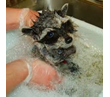 Wildlife in Distress With wildlife as neighbors, urban and suburban dwellers sometimes encounter an animal that appears to need help. It may be obvious that an animal has sustained an injury, for example, a bird on the ground with a twisted wing. Other times, injury or illness is not obvious, but may be the reason an animal doesn't appear to be behaving normally, such as not trying to run away. Baby animals that seem unattended by a parent may, or may not, need assistance. Many of these animals can be helped. While an untrained person may be the "first on the scene" to help an animal in trouble, proper care usually requires the assistance of one of the knowledgeable and dedicated people, often volunteers, who have the received the appropriate training to rehabilitate wildlife. The Texas Parks and Wildlife Department (TPWD) Orphaned and injured animals Webpage ", under the heading of "General Considerations," concisely describes things to consider any time you have an orphaned or injured wild animal. |
Finding Help The DFW Wildlife Coalition Webpage provides one good starting point for locating rehabilitators for mammals, birds, and other forms of wildlife, and includes tips on determining if a baby animal is truly orphaned (Mom may be nearby!) The TPWD Website also provides a resource for finding permitted rehabilitators. The Dallas County list currently includes wildlife rehabilitators who specialize in birds, while several adjacent counties list specialists for mammals and other wildlife types. Tarrant County's Nature's Edge Wildlife and Reptile Rescue (NEWRR), in addition to helping other types of wildlife, is a go-to resource for dealing with a reptile that may need rescue or rehabilitation. |
Success StoriesWant to meet with folks who are helping rescued wildlife return to health, and in many cases to their natural homes? Rehabilitators oftentimes bring their message, along with ambassador animals, to local events at libraries and other public venues. Dallas Public Library's Nature Expo and other events have featured area groups such as Blackland Prairie Raptor Center (BPRC), National Bobcat Rescue and Research (NBRR), and Texas Metro Wildlife Rehabilitators (TMWR). To find where specific groups may be making an appearance for an education event, try checking the calendars on their Websites or Facebook pages. |
Part of the Solution
Would you like to be part of the team who help rescue and rehabilitate wildlife? Many of the aforementioned groups provide on their Websites a pathway to volunteering: Opportunities also exist for developing rehabilitation knowledge and skills. For example, TMWR's online calendar currently shows two wildlife rehabilitation skills workshops on Septermber 15: "Introduction to Wildlife Rehabilitation" and "Squirrel 101". If at some point you decide to become a permitted rehabilitator, consult TPWD's Regulations for Wildlife Rehabilitation. Rehabilitation of birds also requires a permitting from federal authorities. |
|
|
Through animals' eyes, again : stories of wildlife rescue
by Lynn Marie Cuny
From the author of Through Animals’ Eyes come more true stories from the rare perspective of someone who not only cares for the animals she treats, but also has never wanted nor tried to tame or change them. Lynn Cuny founded Wildlife Rescue and Rehabilitation (WRR) in 1977 in her backyard in San Antonio. It has since grown to 187 acres and now rescues more than 7,000 animals annually and maintains an emergency hotline 365 days a year. Native animals are released back into the wild, and those non-native or severely injured animals that cannot be released become permanent Sanctuary residents. Through her stories, Lynn hopes to dispel the belief that animals do not reason, have emotions, or show compassion for each other.
|
|
|
Business & Technology Division,Dallas Public Library
1515 Young St., 5th Floor
Dallas, Texas 75201
214-670-1400www.dallaslibrary.org |
|
|
|